
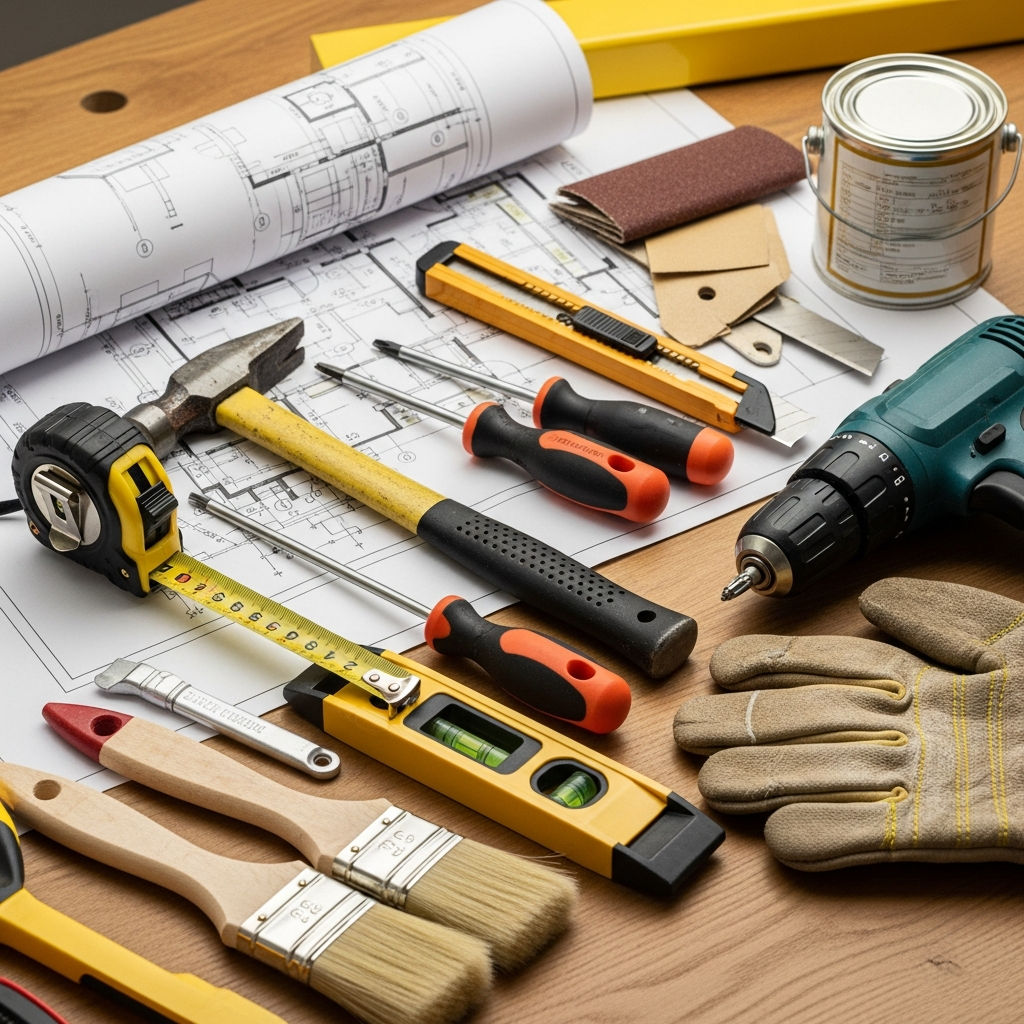
18 Essential Tips to Improve Your Home Improvement
Home improvement is more than just a hobby; it is an investment in your comfort, your lifestyle, and your property’s market value. Whether you are planning a complete overhaul or looking for small weekend projects, the way you approach your renovations can make the difference between a stressful ordeal and a rewarding transformation. To help you navigate the world of DIY and professional renovations, we have compiled 18 essential tips to ensure your next project is a resounding success.
1. Start with a Comprehensive Plan
Success in home improvement begins long before you pick up a hammer. A detailed plan acts as your roadmap. Identify exactly what you want to achieve, the materials required, and the sequence of tasks. This prevents “scope creep,” where a small project unexpectedly turns into a massive, expensive undertaking.
2. Set a Realistic Budget (and a Buffer)
Financial stress is the leading cause of renovation burnout. Research the costs of materials and labor in your area. Once you have a total, add a 10% to 20% contingency fund. Unexpected issues—like outdated wiring or water damage hidden behind a wall—are common, and having a buffer ensures the project doesn’t stall.
3. Prioritize High-ROI Projects
If you plan to sell your home in the future, focus on projects that offer the best return on investment (ROI). Kitchen remodels, bathroom updates, and improving curb appeal typically offer the highest recoup value. While a home cinema is great for personal use, it may not add as much value as a modernized kitchen.
4. Master the Power of Paint
Paint is arguably the most cost-effective way to improve your home. A fresh coat of neutral paint can make a room feel larger, cleaner, and more modern. Don’t forget the exterior; painting your front door or the window trim can instantly boost your home’s aesthetic appeal without a hefty price tag.
5. Don’t Underestimate Lighting
Lighting changes the entire mood of a room. To improve your home’s interior design, use a layered lighting approach:
- Ambient Lighting: Overall illumination for the room.
- Task Lighting: Focused light for reading or cooking.
- Accent Lighting: Highlighting architectural features or artwork.
6. Focus on Energy Efficiency
Modern home improvement isn’t just about looks; it’s about performance. Replacing old windows with double-pane glass, adding attic insulation, and installing a smart thermostat can significantly lower your utility bills. Many of these upgrades also qualify for green energy tax credits.
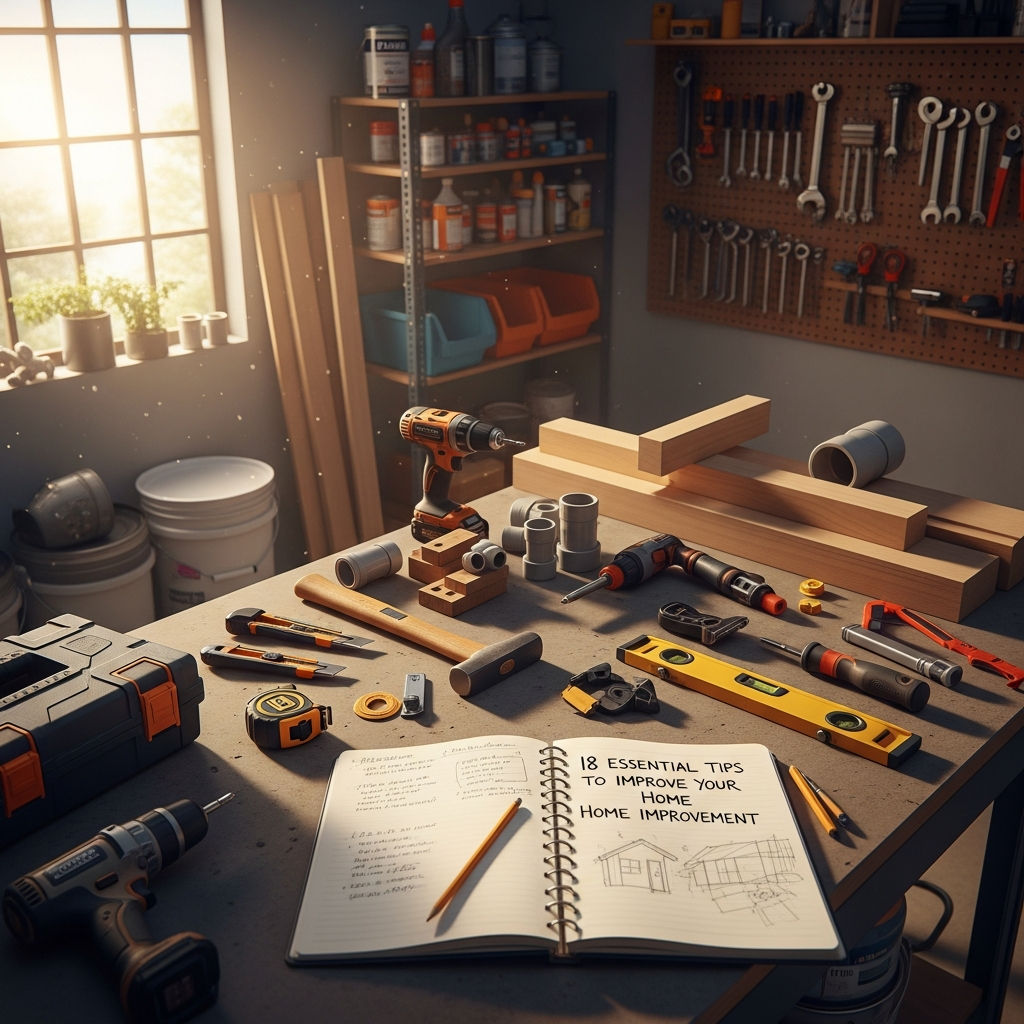
7. Invest in Quality Tools
If you are taking the DIY route, do not skimp on tools. High-quality tools are safer, more precise, and more durable. If a tool is too expensive for a one-time use, consider renting it from a local hardware store rather than buying a cheap, low-quality alternative that might fail mid-project.
8. Update Cabinet Hardware
You don’t always need to replace your kitchen cabinets to give them a new look. Simply swapping out old, dated knobs and pulls for modern hardware can transform the space. Choose finishes like brushed nickel, matte black, or champagne bronze for a contemporary feel.
9. Enhance Curb Appeal
First impressions matter. You can improve your home’s exterior by maintaining the lawn, planting perennial flowers, and ensuring the walkway is clean. Pressure washing your siding and driveway can also make an older home look brand new in just a few hours.
10. Focus on Flooring
Old, stained carpet or scratched linoleum can drag down the look of an entire house. Consider durable options like Luxury Vinyl Plank (LVP) or engineered hardwood. These materials are often easier to install than traditional hardwood and offer excellent resistance to wear and tear.
11. Declutter and Organize
Sometimes the best home improvement is simply removing what doesn’t belong. Built-in shelving, closet organization systems, and creative storage solutions can make your home feel more spacious and functional. A clutter-free home is naturally more inviting.
12. Know When to Hire a Professional
DIY is great for saving money, but some jobs require an expert. Electrical work, major plumbing, and structural changes should almost always be handled by a licensed professional. Mistakes in these areas can be dangerous and extremely costly to fix later.
13. Optimize Your Entryway
The entryway sets the tone for the rest of the home. Add a functional bench, a mirror to bounce light, and a dedicated spot for keys and mail. This transition space should be both beautiful and organized to create a sense of calm as you enter.
14. Refresh the Bathroom Grout
Dirty or crumbling grout can make even the most expensive bathroom look dingy. Re-grouting or using a grout pen to brighten the lines is a low-cost task that provides immediate visual results. It also helps prevent moisture from seeping behind tiles, protecting your walls.
15. Upgrade Your “Smart” Capabilities
Integrating smart home technology is a major trend in home improvement. Install smart locks, video doorbells, or automated lighting systems. These features offer convenience and security, and they are highly attractive to modern homebuyers.
16. Don’t Neglect Maintenance
Improvement isn’t always about adding something new; sometimes it’s about maintaining what you have. Clean your gutters, service your HVAC system, and check for leaks regularly. Prevention is much cheaper than a major repair, and a well-maintained home holds its value longer.
17. Create Outdoor Living Spaces
In recent years, the backyard has become an extension of the living room. Adding a deck, a stone patio, or even a simple fire pit area increases your usable square footage. Outdoor spaces are perfect for entertaining and provide a great retreat during the warmer months.
18. Finish What You Start
The most common home improvement pitfall is the “90% finished” project. Unpainted trim or missing switch plates can make a home feel chaotic. Commit to finishing every detail of a project before moving on to the next one. The final 10% of the work is often what provides the most satisfaction and professional-looking results.
Conclusion
Improving your home is a journey that requires patience, planning, and a bit of creativity. By following these 18 essential tips, you can ensure that your home improvement efforts result in a space that is more beautiful, functional, and valuable. Remember to take it one step at a time, prioritize your needs, and don’t be afraid to ask for professional help when necessary. Happy renovating!